
Hope Lives Here: Baltimore
Hope Lives Here: Baltimore
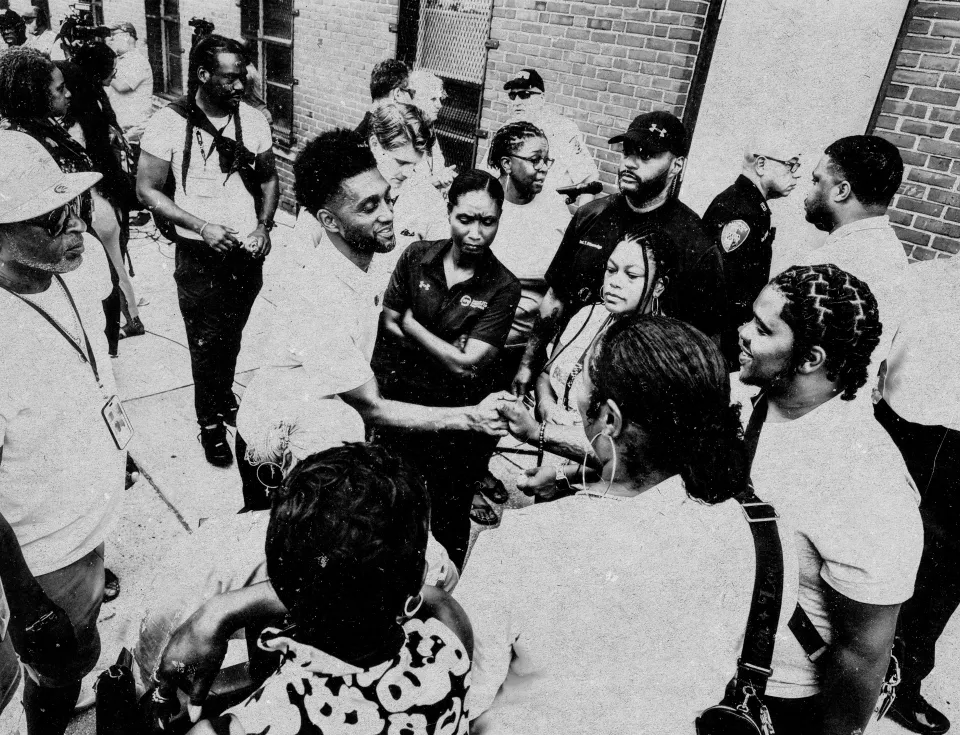
Phase 2: Overdose Prevention
Baltimore City carries a heavier share of Maryland’s overdose crisis than other parts of the state.
Phase 2: Overdose Prevention
Baltimore City carries a heavier share of Maryland’s overdose crisis than other parts of the state.
Baltimore City carries a heavier share of Maryland’s overdose crisis than other parts of the state. Although the City makes up only 9% of Maryland's population, nearly 42% of the state's overdose deaths happen here. Black men ages 60 and older face the highest risk of overdose in the city.
Overdose Needs Assessment Dashboard
Naloxone is a medication that can reverse an opioid overdose in minutes. Our goal is to make carrying naloxone as common as carrying a phone. Through our Overdose Response Program (ORP), also known as the Staying Alive Program, residents can get free training and free naloxone. We are also installing naloxone boxes in public buildings and senior living facilities across the city.
- Staying Alive Naloxone Trainings: Staying Alive Drug Overdose Response Program |
- Baltimore City · ORP map: https://arcg.is/19jqfO
Prevention also means knowing what's in the drug supply. Baltimore City offers free drug checking strips for fentanyl, xylazine, and medetomidine, along with information on how to lower the risk of overdose. By using drug checking strips, people can check what other substances might be in their drugs before they use them. This harm‑reduction tool helps people stay informed and make safer choices.
The Overdose Fatality Review Team and the Overdose Prevention Team study overdose deaths to find gaps in our systems and fix them. In hospitals, the Levels of Care initiative works to make sure every patient with opioid use disorder receives consistent, high-quality care.
The data shows this work is making a difference: overdose deaths in Baltimore City dropped 42% between 2023 and 2025. But there is still more to do.
Additional Resources
Add copy here.
Other Phases
Stigma Reduction
Phase 1 reduces stigma by providing people with access to reliable information and useful resources.
Substance Use & Recovery
Pillar 3 includes resources on treatment options and support for every path to recovery.
Grief and Loss
Pillar 4 provides support for Baltimore families grieving a loss to overdose.