The Baltimore City Department of Public Works (DPW) has activated its Deer Creek Pump Station in northern Harford County to begin withdrawing water from the Susquehanna River to supplement the City’s Prettyboy and Loch Raven reservoirs, which have reached low levels due to the ongoing drought.
Beginning today, October 5, approximately 30 million gallons per day (MGD) will be withdrawn. The water is expected to reach the Montebello Filtration Plants later this week, traveling approximately 39 miles from the Susquehanna River to the Montebello Water Treatment Plants.
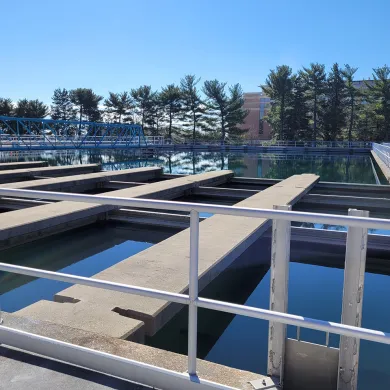
Once the Susquehanna River water reaches the Montebello Filtration Plants, DPW will direct the water to the wash lake to flush sediment before beginning the blending and treatment process.
The Susquehanna River flows from Cooperstown, N.Y., to Havre de Grace, Md., and is only used during severe drought conditions.
The Water Will Be Blended — Not Replaced
The City is not switching to 100% Susquehanna River water. The blended water is expected to contain approximately 20% to 40% Susquehanna River water, mixed with water from the City’s reservoir system.
Once the Susquehanna River water reaches the Montebello Filtration Plants, it will be gradually introduced and blended with Prettyboy and Loch Raven reservoir water before it is treated and distributed to customers. This gradual blending is intended to minimize changes residents may notice in their water.
DPW expects odor and taste issues to be minimal, if they occur at all. The gradual introduction and blending of the Susquehanna River water will help minimize potential changes in taste and odor.
DPW will continue to treat and test the water using the same rigorous processes to ensure it meets drinking-water standards. The use of water from the Susquehanna River will not change the City’s water treatment or testing processes.
Who Will Receive Blended Water
Susquehanna River water will be introduced into the water system served by the Montebello Water Treatment Plants, which serve portions of eastern Baltimore City and Baltimore County.
DPW provides drinking water to approximately 1.8 million people in the Baltimore region, including residents of Baltimore City and Baltimore, Howard, Carroll and Harford counties.
Drought Conditions Continue
The use of Susquehanna River water provides the City with an additional source of water during this prolonged drought, but it does not end the drought or eliminate the need for rainfall.
The City’s primary water supply comes from rainfall and snowmelt collected in the Liberty, Loch Raven and Prettyboy reservoirs. Sustained, meaningful rainfall is the only way to replenish those reservoirs and improve drought conditions.
DPW continues to closely monitor reservoir levels, rainfall, stream flows and customer demand as drought conditions evolve.
Voluntary Water Restrictions Remain In Effect
Residents should continue conserving water while the region remains in drought.
Conservation helps preserve the City’s available water supply and extend the amount of time the existing supply can support customers, but it cannot replace the need for rainfall.
The use of Susquehanna River water also does not take mandatory water-use restrictions off the table. If reservoir levels continue to decline and conditions worsen, mandatory restrictions may become necessary.
Please continue to:
• Avoid lawn and garden watering.
• Avoid washing cars, boats and outdoor surfaces.
• Repair leaking faucets, hoses and fixtures.
• Run full loads in dishwashers and washing machines.
• Take shorter showers.
• Turn off the tap while brushing your teeth.
Delivering High Quality Water
DPW will continue treating and testing the City’s drinking water to ensure it meets applicable drinking-water standards.
Because Susquehanna River water will be gradually blended with reservoir water, significant changes in water quality are not expected.
If you notice an unusual or persistent change in your water, please report it through 311 when calling from Baltimore City. Customers outside of Baltimore City can call 443-263-2220.