The Stormwater Remediation Fee Regulations
The Stormwater Remediation Fee Regulations outline the regulations and terms of Baltimore City's stormwater fee, and includes:
- Definition of terms
- Calculation of stormwater remediation base fee
- Billing procedures
- Exemptions
- Credits
More information, including links to documents explaining the exemptions and credits, are below.
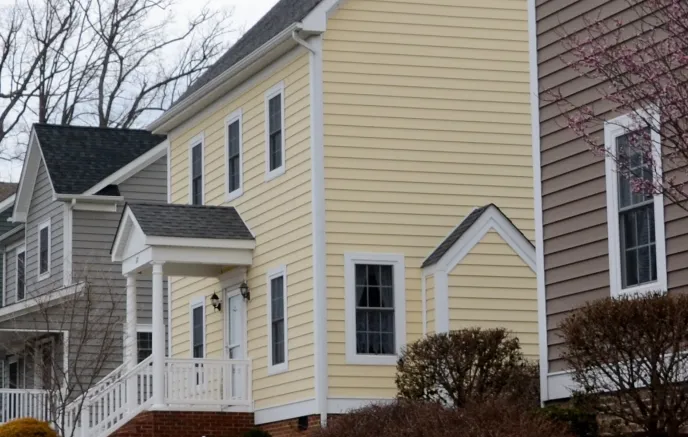
Financial Assurance Plan and the MS4 Annual Reports
Since 2013 Baltimore City has operated a Stormwater utility that is funded by property owners in the City. The City’s Stormwater fees are based on the amount of impervious area on a property. Impervious surfaces, such as roofs, sidewalks, and driveways, block water from filtering into the ground. They increase runoff to our storm drains and transport a variety of pollutants to our streams and harbor.
The primary expenses paid for with this fee are maintaining, operating, and improving the stormwater management system, monitoring the City’s water bodies, and reducing pollutants that enter waterways. This includes capital improvements to the stormwater management system, installation of Best Management Practices (BMPs) to treat polluted runoff, and the operation and maintenance of stormwater management systems and facilities. Additional information on how the Stormwater Utility Funds are used can be found in the Financial Assurance Plan and the MS4 Annual Reports.
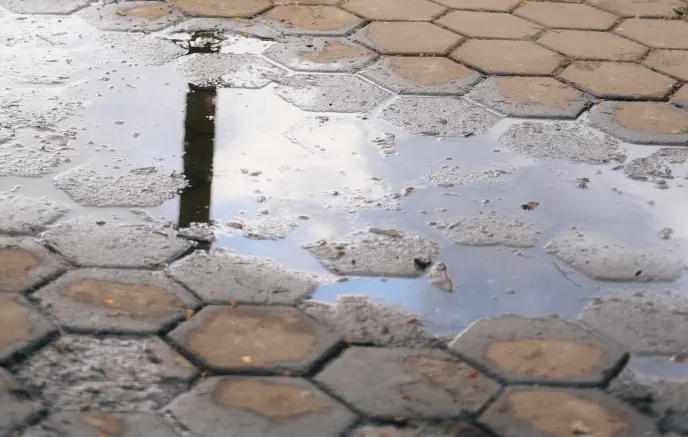
Single-family properties are charged one of three rates:
Tier 1 properties have no more than 820 square feet of impervious surface area, and pay a charge equal to 2/3 of the rate per ERU
Tier 2 properties have more than 820 square feet but no more than 1,500 square feet of impervious surface area, and pay a charge equal to the rate per ERU
Tier 3 properties have more than 1,500 square feet of impervious surface area, and pay a charge equal to twice the rate per ERU Non-single family properties are billed based on a measure called an Equivalent Residential Unit (ERU), which is the size of the impervious surface area (1,050 square feet) of the median-sized house in the City. The larger the impervious surface area of a parcel, the higher the stormwater fee for the property. Non-single family properties pay per ERU as shown in [link to water and sewer rate charges].
For more information download the Single Family Property Guidance Document.
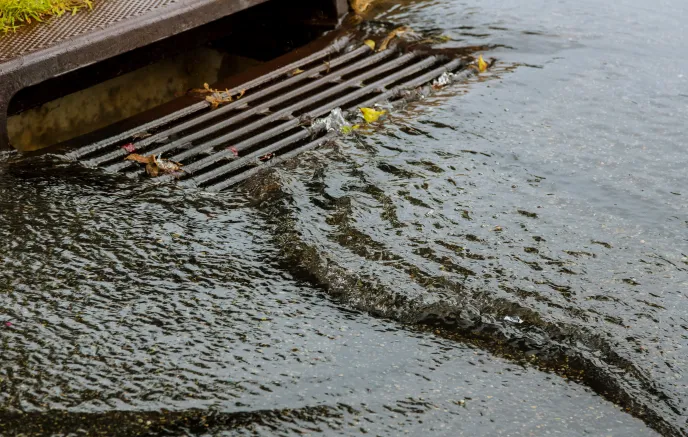
Non-single-family properties are charged one of three rates:
Non-single family properties are billed based on a measure called an Equivalent Residential Unit (ERU), which is the size of the impervious surface area (1,050 square feet) of the median-sized house in the City. The larger the impervious surface area of a parcel, the higher the stormwater fee for the property. Non-single family properties pay $78 per ERU per year.
For more information download the Non-Single Family Property Guidance Document.