

Water Supply Update
Baltimore remains in drought conditions. Voluntary Water Restrictions remain in effect. Residents and businesses are encouraged to continue conserving water and limiting non-essential water use.
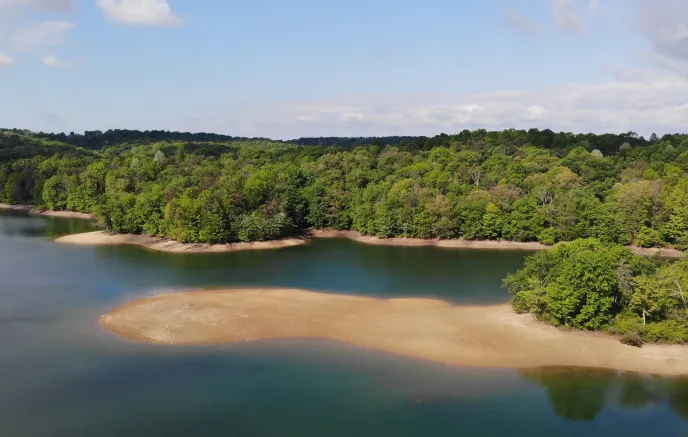
We’re Still in Drought
Baltimore City and the surrounding region continue to experience drought conditions, and our reservoirs remain under pressure. The Baltimore City Department of Public Works (DPW) continues to monitor rainfall, stream flows, reservoir levels and water demand.
Voluntary water restrictions remain in effect for the City of Baltimore and Baltimore, Howard, Harford and Carroll Counties. Every drop saved today helps protect our regional water supply for the days and weeks ahead.
How You Can Help
- Avoid lawn and garden watering when possible.
- Avoid car, boat and equipment washing. Only use commercial car wash facilities that recycle their wash water.
- Avoid washing sidewalks, driveways and other outdoor surfaces.
- Repair leaking faucets, hoses and other fixtures.
- Run only full loads in dishwashers and washing machines.
- Turn off the tap while brushing teeth or shaving.
- Take shorter showers and use water wisely.
- Avoid refilling your pool.
Preparing for What's Next
As drought conditions continue and reservoir levels decline, DPW is preparing to use water from the Susquehanna River to supplement Baltimore’s water supply.
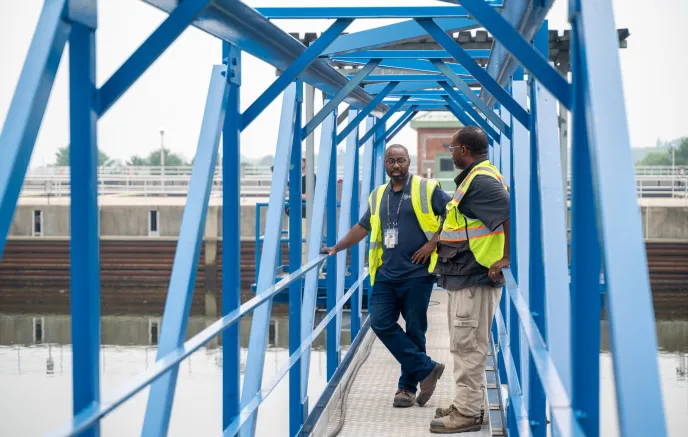
What You Need to Know
- Susquehanna water will be blended with reservoir water, treated and tested before reaching customers.
- Baltimore’s drinking water will continue to meet drinking water standards.
- Most customers are not expected to notice a significant difference. Some may notice minor changes in taste, odor or color.
- Addresses in eastern Baltimore City and Baltimore County are expected to receive water blended with Susquehanna River water. Some addresses in southwest Baltimore are also expected to receive water containing an even more diluted amount of Susquehanna River water.
- Voluntary water restrictions remain in effect. Susquehanna water supplements our supply, but rainfall is still needed to restore reservoir levels.
Every drop saved helps protect our regional water supply.
Recent Susquehanna System Test
The July 14 test was a proactive step to ensure the Susquehanna water main is ready for use if needed. The test did not put Susquehanna water into the City’s drinking water distribution system.
Why the Susquehanna River?
During severe drought conditions, the Susquehanna River is available as an emergency source for Baltimore’s water supply. It is not part of the City’s normal day-to-day water supply operation.
The City has used the emergency system during previous severe drought conditions. DPW is preparing now so the system is ready if conditions require its use.
Will I Receive Susquehanna Water?
Residents can use DPW’s online interactive tool to enter their address and determine whether their property is within the area expected to receive Susquehanna-blended water.
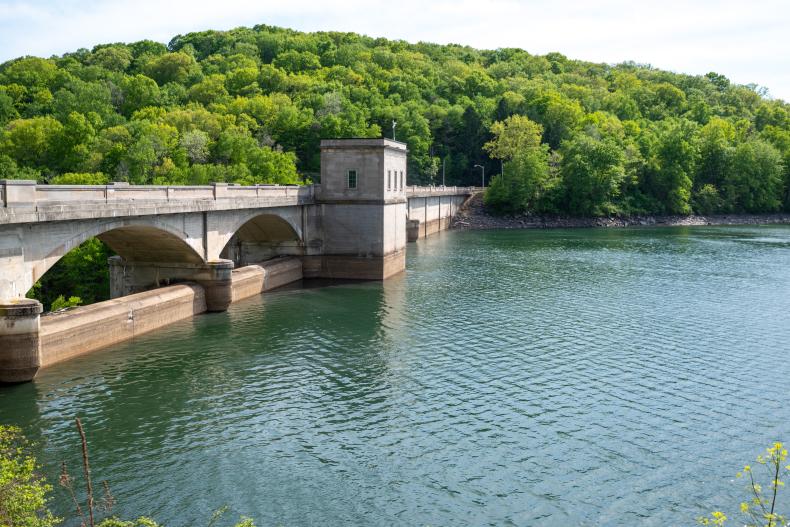
Why Haven't Summer Rains Filled the Reservoirs?
Rainfall can provide temporary relief, but it does not necessarily result in an immediate or significant increase in reservoir levels. Reservoirs depend on rainfall reaching streams and watersheds, while dry conditions, low stream flows and continued water demand can limit how much water reaches the reservoirs.
DPW continues to monitor Prettyboy, Liberty and Loch Raven reservoirs and other indicators of regional water-supply conditions.
What Could Residents Notice?
If drought conditions require further changes to the City’s water-supply operations, DPW will provide residents with information about what to expect and when. Residents should reduce water use as much as possible.
Stay ConnectedDPW will continue to provide updates as drought conditions develop. Residents should follow Baltimore City DPW’s official communications channels for information about water conservation, drought conditions and the regional water supply. |